Questioning the Greatest Story Ever Told

We investigate the group of brilliant minds who may have written under the single name of William Shakespeare.

Questioning the Greatest Story Ever Told

We investigate the group of brilliant minds who may have written under the single name of William Shakespeare.

Questioning the Greatest Story Ever Told

We investigate the group of brilliant minds who may have written under the single name of William Shakespeare.

The Genius Doesn't Fit the Story

The Story You Know Has Missing Pieces

  • Expert Knowledge. The plays show deep understanding of law, courtly etiquette, and classical philosophy.

  • Firsthand Detail. Specific, accurate descriptions of Italian life and geography.

  • The Missing Paper Trail. The absence of literary evidence in Shakespeare of Stratford’s life.

These pieces suggest the author was a courtier, a lawyer, and a scholar. The evidence points not to one man, but to a collaboration.

Introducing The Writers' Room

What if the Playwright Was a Committee?

The incredible range of knowledge in the plays—from law to royalty to foreign lands—isn’t a mystery if we consider a radical idea: “William Shakespeare” wasn’t a person, but a brand. We propose it was the name used by a secretive group of brilliant minds, a writers’ room for the ages, who collaborated to create the most enduring works in English literature.

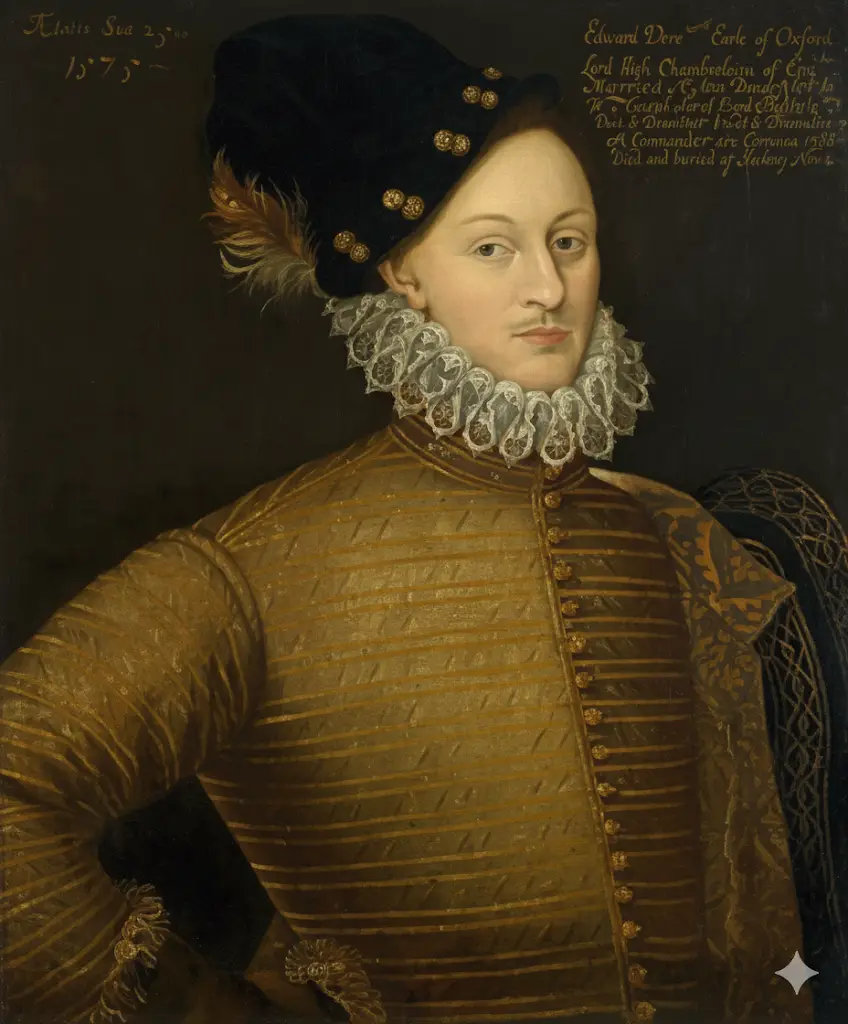
  1. Edward de Vere, Earl of Oxford: The Courtier & Poet
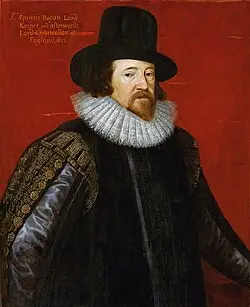
  2. Sir Francis Bacon: The Legal Philosopher
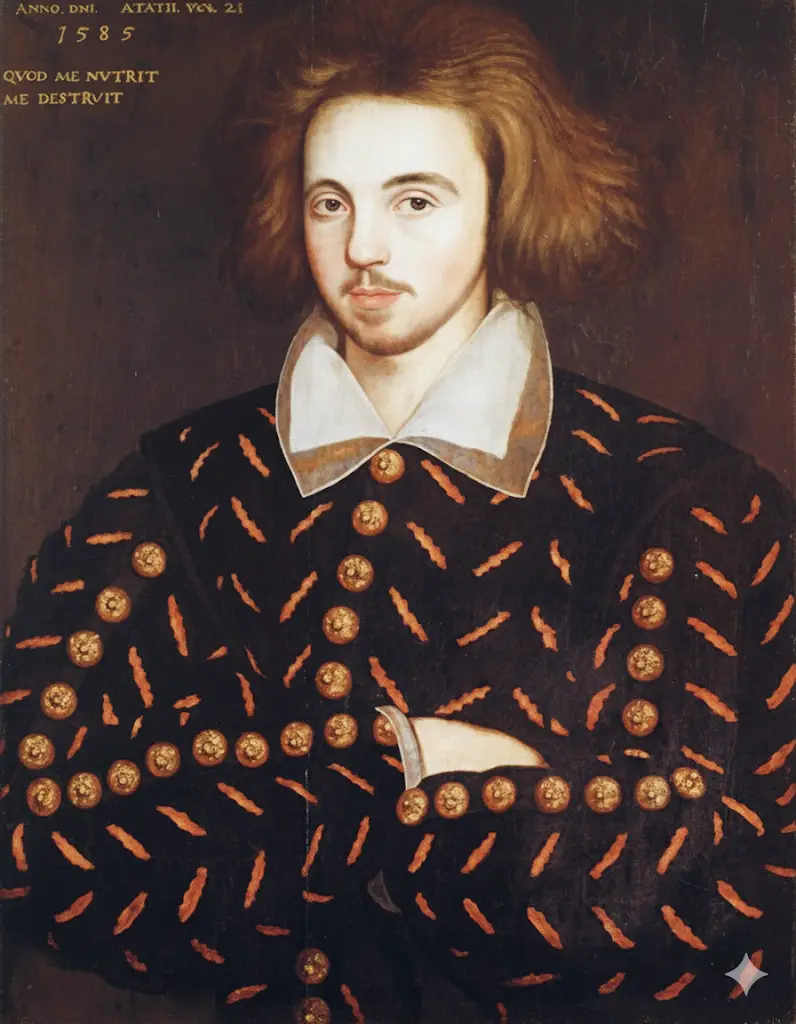
  3. Christopher Marlowe: The Tragic Genius
  4. William Shakespeare of Stratford: The Theatrical Frontman

A Taste of the Proof

Explore the Compelling Evidence

The Legal Code in The Merchant of Venice
  • Portia’s stunning courtroom victory isn’t just poetic drama—it’s a precise argument of law versus equity.
  • This nuanced legal knowledge points directly to a mind trained in jurisprudence, not merely that of a gifted playwright.
  • The plays don’t just use Italy as a backdrop; they reveal specific, firsthand knowledge of its cities and customs.
  • We trace the footsteps of Edward de Vere through Italy and match them to the intimate details found in the settings of Othello and The Merchant of Venice.
  • What if the brilliant Christopher Marlowe, Shakespeare’s greatest rival, didn’t die in a tavern brawl in 1593?
  • We examine the theory that his death was faked, allowing his revolutionary style to live on through the “Shakespeare” brand.
  • For an Elizabethan nobleman, writing for the public stage was considered a vulgar, low-class trade.
  • Discover the powerful social stigma that would have made a pseudonym essential for an aristocrat like Edward de Vere to express his genius freely.

The Mystery Continues. Join the Investigation!

The Genius Doesn't Fit the Story

The Story You Know Has Missing Pieces

  • Expert Knowledge. The plays show deep understanding of law, courtly etiquette, and classical philosophy.

  • Firsthand Detail. Specific, accurate descriptions of Italian life and geography.

  • The Missing Paper Trail. The absence of literary evidence in Shakespeare of Stratford’s life.

These pieces suggest the author was a courtier, a lawyer, and a scholar. The evidence points not to one man, but to a collaboration.

Introducing The Writers' Room

What if the Playwright Was a Committee?

The incredible range of knowledge in the plays—from law to royalty to foreign lands—isn’t a mystery if we consider a radical idea: “William Shakespeare” wasn’t a person, but a brand. We propose it was the name used by a secretive group of brilliant minds, a writers’ room for the ages, who collaborated to create the most enduring works in English literature.

  1. Edward de Vere, Earl of Oxford: The Courtier & Poet
  2. Sir Francis Bacon: The Legal Philosopher
  3. Christopher Marlowe: The Tragic Genius
  4. William Shakespeare of Stratford: The Theatrical Frontman

A Taste of the Proof

Explore the Compelling Evidence

The Legal Code in The Merchant of Venice
  • Portia’s stunning courtroom victory isn’t just poetic drama—it’s a precise argument of law versus equity.
  • This nuanced legal knowledge points directly to a mind trained in jurisprudence, not merely that of a gifted playwright.
  • The plays don’t just use Italy as a backdrop; they reveal specific, firsthand knowledge of its cities and customs.
  • We trace the footsteps of Edward de Vere through Italy and match them to the intimate details found in the settings of Othello and The Merchant of Venice.
  • What if the brilliant Christopher Marlowe, Shakespeare’s greatest rival, didn’t die in a tavern brawl in 1593?
  • We examine the theory that his death was faked, allowing his revolutionary style to live on through the “Shakespeare” brand.
  • For an Elizabethan nobleman, writing for the public stage was considered a vulgar, low-class trade.
  • Discover the powerful social stigma that would have made a pseudonym essential for an aristocrat like Edward de Vere to express his genius freely.

The Mystery Continues. Join the Investigation!

The Mystery Continues.
Join the Investigation!

The Mystery Continues.
Join the Investigation!
The Mystery Continues.
Join the Investigation!